



Blog
Handmade vs Mass-Produced Products What’s the Difference?

When shopping for home décor, accessories, crafts, or gifts, you may encounter both handmade and mass-produced products. Although both can be attractive and useful, they may differ in how they are designed, manufactured, and presented.
Understanding these differences can help you make choices that suit your preferences, needs, and budget.
What Are Handmade Products?
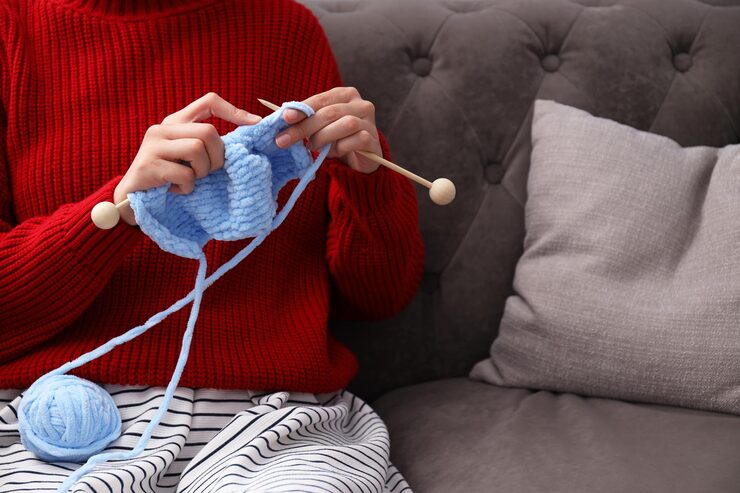
Handmade products are items made wholly or partly through manual craftsmanship. Depending on the product, the maker may use traditional techniques, hand-finishing, or a combination of tools and machinery.
Examples can include decorative crafts, fabric accessories, ceramics, woodwork, and certain types of jewelry.
The exact production process varies, so it is important to check the details of each item rather than assuming every product described as handmade is made entirely by hand.
What Are Mass-Produced Products?
Mass-produced products are generally manufactured in larger quantities using standardized processes. These processes often rely on machinery, repeatable production methods, and consistent specifications.
Mass production can make products widely available and may help manufacturers maintain consistency between individual units.
This does not mean mass-produced products are necessarily low quality. Quality depends on materials, design, manufacturing standards, and quality control.
Key Differences Between Handmade and Mass-Produced Products
1. Production Methods
Handmade products involve varying degrees of manual work, while mass-produced items typically follow standardized manufacturing processes.
If the production method matters to you, review the maker’s or seller’s description for accurate information.
2. Design and Individuality
Handmade items may feature small differences in color, finish, texture, or shape, especially when natural materials or manual techniques are involved.
Mass-produced products generally aim for consistency between units.
Neither approach is automatically better. The right choice depends on whether you prefer individuality, uniformity, or a particular design.
3. Materials and Finish
Both handmade and mass-produced products can use a wide range of materials. Quality depends on the specific materials and how the item is made.
Look for clear specifications, product photographs, and care instructions when evaluating a purchase.
4. Price and Availability
The price of a handmade product can reflect materials, labor, design complexity, and the scale of production. Mass-produced products may benefit from manufacturing efficiencies, although prices vary widely in both categories.
Availability also differs. Handmade items may be made in smaller batches, while mass-produced products may be available in larger quantities.
5. The Shopping Experience
Some shoppers enjoy discovering distinctive items and learning about the people or processes behind them. Others prioritize availability, standardized specifications, or a particular price point.
Understanding your priorities can make it easier to choose the right product.
Which Option Is Right for You?
Choose based on what matters most:
- If you value distinctive designs, explore products with individual character.
- If you prefer consistent specifications, compare product details carefully.
- If durability is important, examine the materials, construction, and care instructions.
- If you are shopping for a gift, consider the recipient’s preferences and the meaning behind the item.
- If sustainability matters to you, investigate the materials, sourcing, packaging, and production practices rather than relying on the product label alone.
Discover Your Next Favorite
At Handmora Studio, we bring together products sourced from artisans and suppliers for customers who enjoy exploring creative designs and distinctive finds.
Browse our available collection and review each item’s specifications to find products that suit your preferences.
Visit Handmora Studio to discover more.
Frequently Asked Questions
Are handmade products always better quality?
No. Quality depends on the specific product, materials, construction, and quality-control process.
Are all handmade products unique?
Not necessarily. Some handmade products are one of a kind, while others are produced in repeated designs or small batches.
Are handmade products more expensive?
They can be, depending on the materials, labor, complexity, and production volume. Prices vary by product.
How can I verify whether a product is handmade?
Look for clear information about the maker, production method, materials, and sourcing. Contact the seller if important details are missing.


